Mice
Mus Domesticus
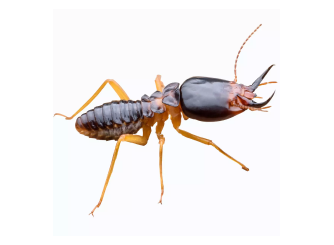
Termites (also called white ants) are social insects that are more closely related to cockroaches rather than to ants. They're famous for their very destructive habits. Wood is a big part of termites' diet and even though only a handful of termite species in Australia cause economic damage, said damage ranges in the billions.
Termites are very widespread - it's estimated 1 in every 5 homes in Australia either has or has had a termite infestation in the recent past. Out of the 360 species of termites in Australia, only a handful are responsible for that damage, but surely that’s more than enough.
Mice Species Found in Australia
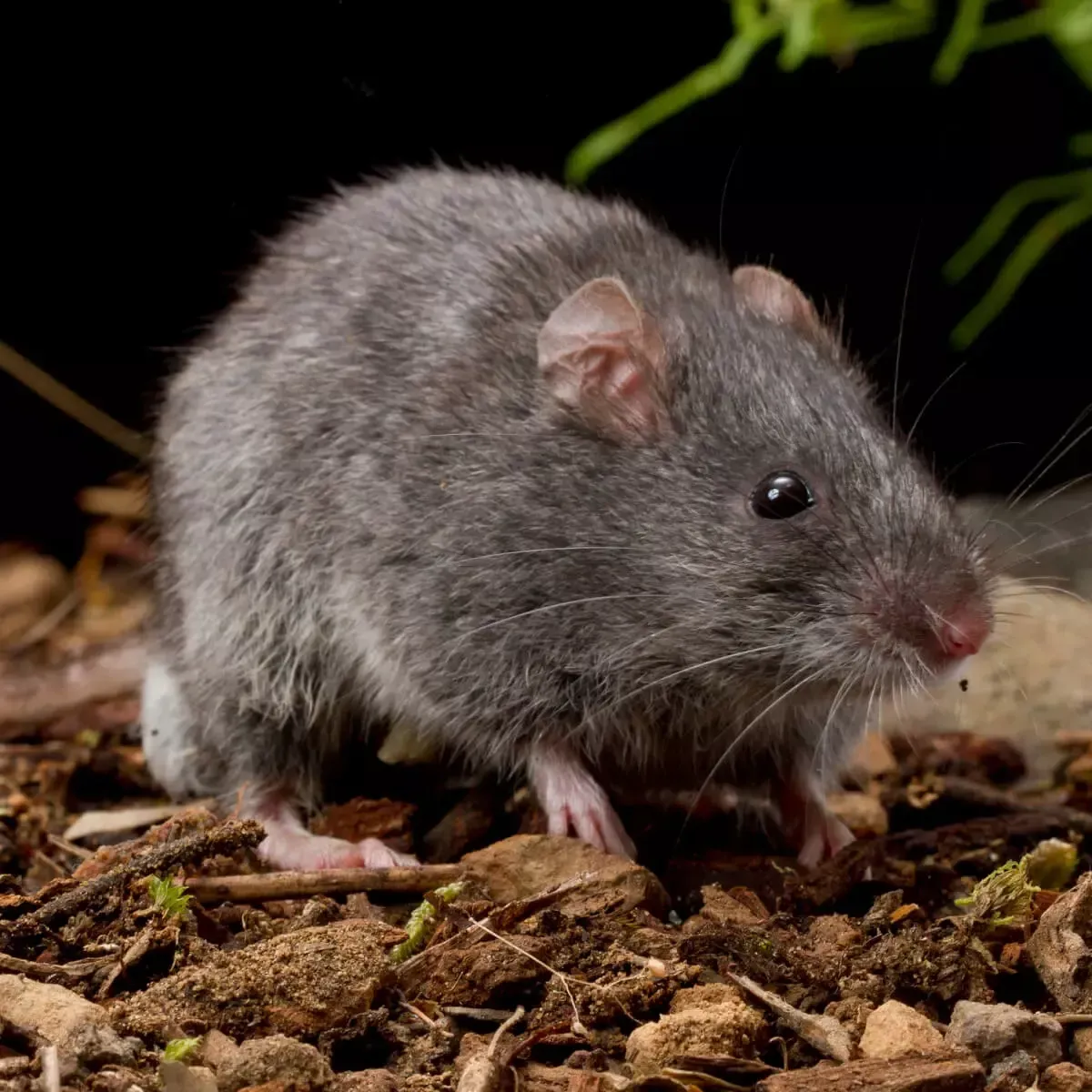
Smoky Mouse (Pseudomys fumeus): To the untrained eye, this little creature might look like any other mouse, but it's important to tell them apart. The smoky mouse is native to Australia and is engangered. Setting traps or poison baits is not on the to-do lists when you encounter it.
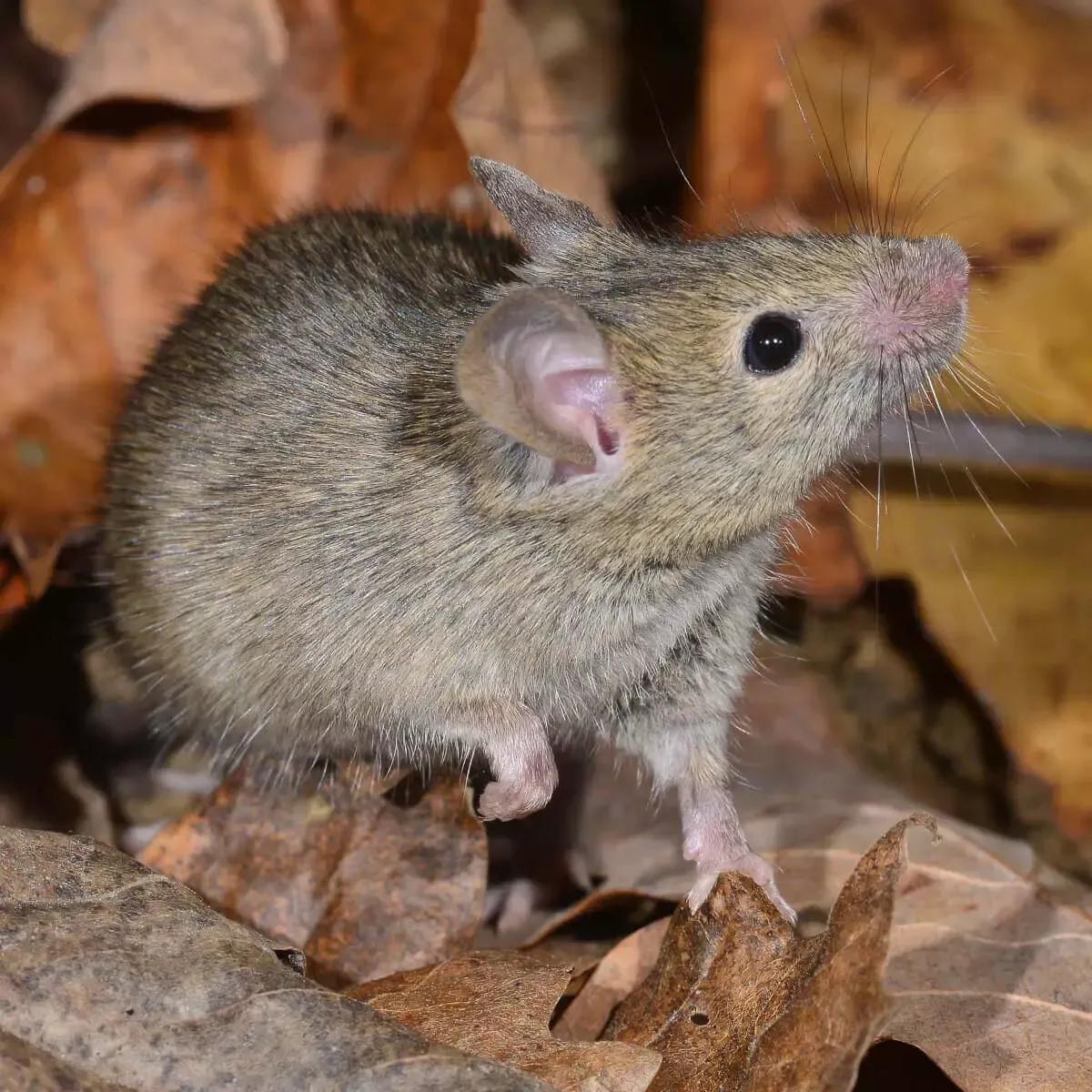
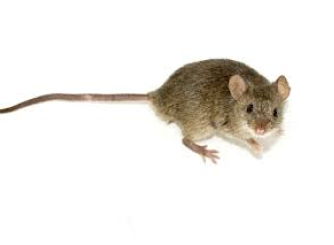
House Mouse (Mus domesticus): Your garden variety house mouse can reach a size of 20 cm nose to tip of the tail (with the tail itself constituting half of that length at 10 cm).
House mice are hardly heavyweight at 45 grams. Colours can vary.
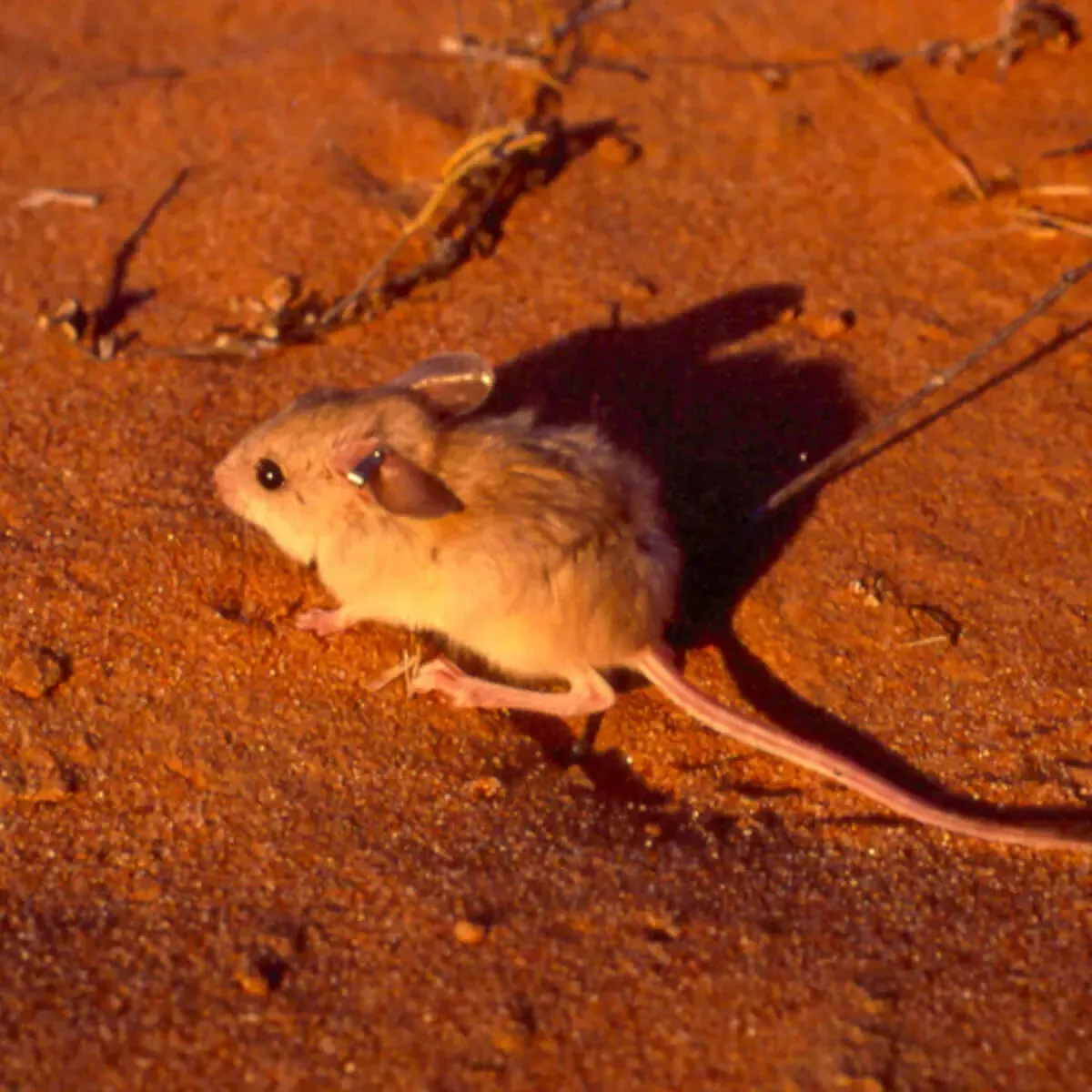
Dusky Hopping Mouse (Notomys fuscus): This native Australian rodent takes a page from the book of kangaroos. Their hind legs allow them the ability to jump (hence the name) and their long tails accommodate their balance and control. These mice were built to survive in the desert. The dusky hopping mouse is an endangered species.
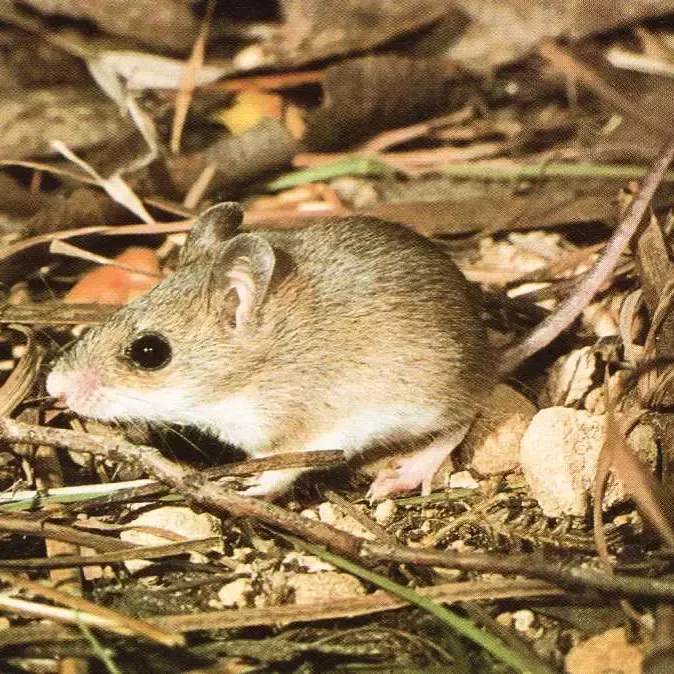
Little Native Mouse (Pseudomys delicatulus): This little native mouse can be found mostly in Western Australia. This petite rodent is the smallest of the native Australian mice at 55-75 mm and weighing just over 10 grams.
Causes of mice infestation
Mice are looking for three things in your home - food, water, and warmth. That's the reason the severity of infestations is the highest during winter months when it's much harder for them to find food outside.
Leaving food around, living in a warm and humid environment, and not throwing out the garbage regularly are among the top reasons your home might be a hospitable environment for mice.
You have a mouse infestation. Now what?
In case it turns out you have a mice infestation, there are a few things you can do.
- Try to identify the entry points and seal them;
- Try to identify the reason for the infestation;
- Declutter, clean, and put food in sealed containers;
- Throw away the rubbish regularly;
If this doesn't solve your problem, then things may be more serious than you think. You can try calling in the cavalry and book a mice control service with us. The rodenticides we use will dehydrate the mice, causing them to leave your house in search of water. This means most of them will die outside your home, instead of inside if you use the wrong pesticide.