Cockroaches
Order Blattaria
Cockroaches are the pinnacle of evolution. Having gone through almost no changes over the last 200 million years, they are exceptionally resilient creatures. They've already survived several mass extinctions and by the looks of it, they're here to stay.
There are over 400 species of cockroaches in Australia (we even host one of the biggest species in the world), but only a handful of those are actual pests. Let's delve right into that handful.
Species of cockroaches in Australia
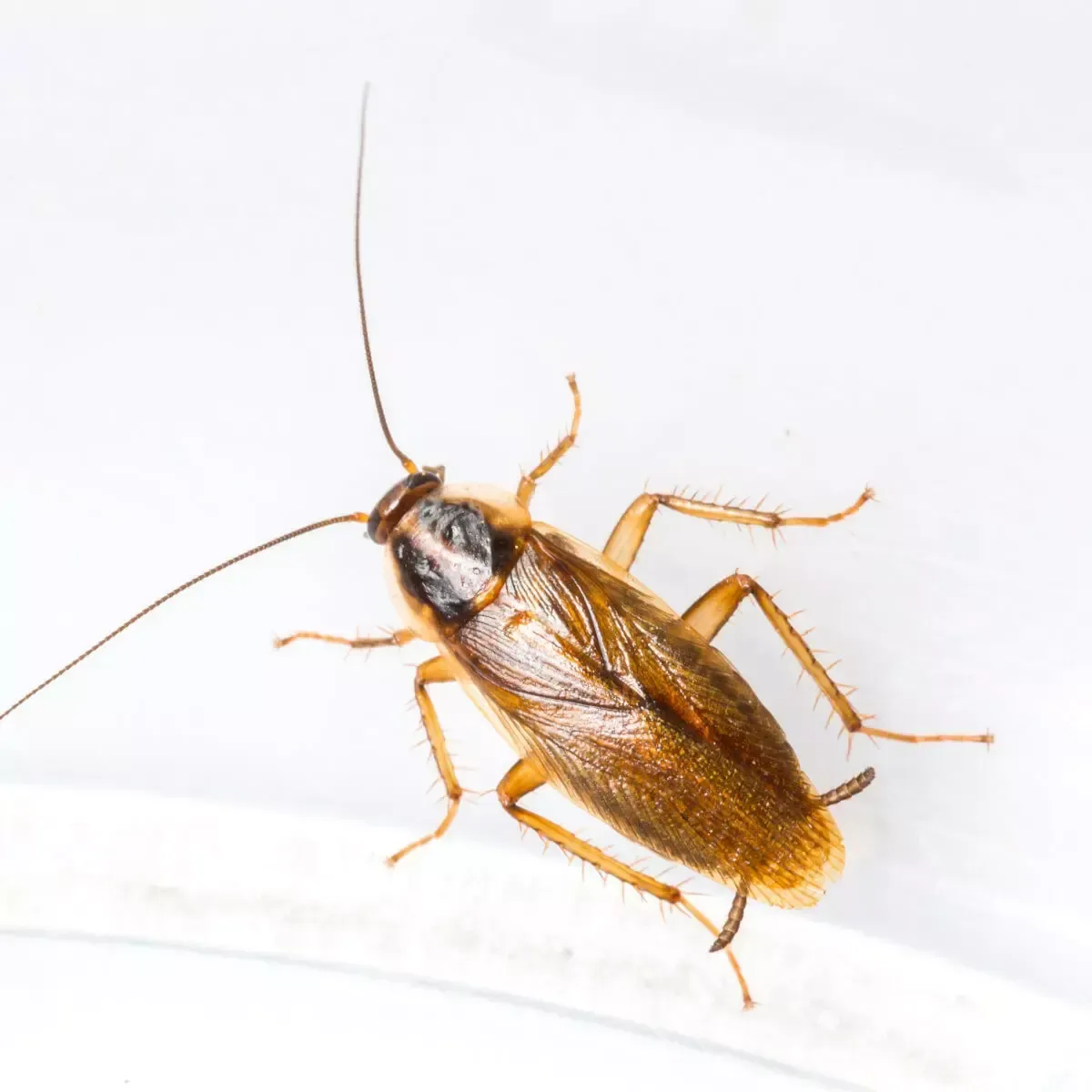
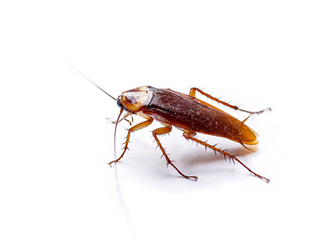
German cockroaches (Blattella germanica): German cockroaches grow up to 15 mm, so they're a lot smaller than their American brethren and brighter in colour. Yet what they lack in size, they make up in sheer numbers. Oh, and flight capabilities.
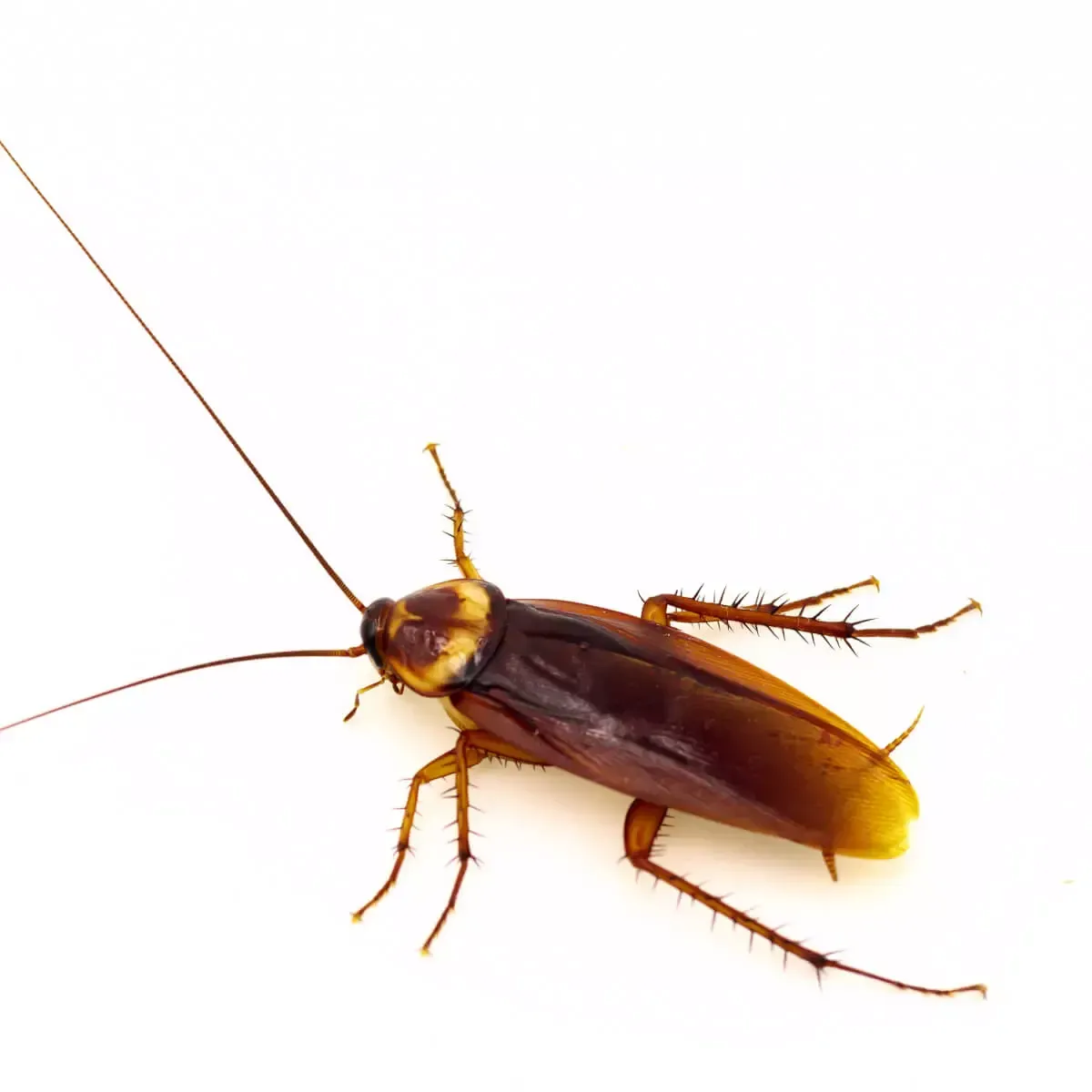
Australian cockroaches (Periplaneta australasiae): Contrary to popular belief, Australian cockroaches are not our very own brand. Like American and German cockroaches, they're spread all over the world. They grow up to 35 mm and have yellowish section on their thorax. They prefer tropical climates.
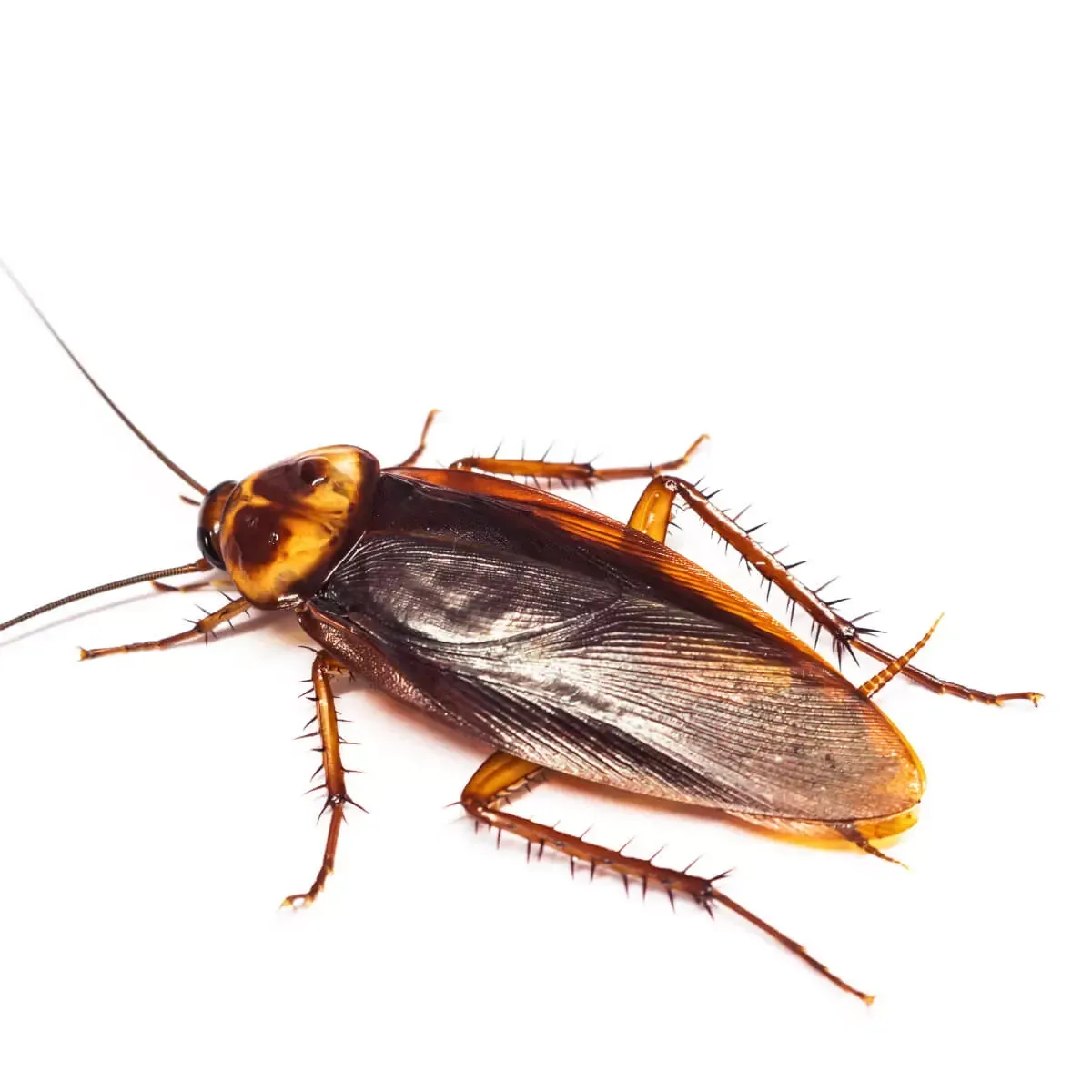
American cockroaches (Periplaneta americana): One of the most popular domestic and commercial pests worldwide. These cockroaches can get up to 35-40 mm. Their relatively big dark brown chitin shells make them fairly easy to identify.
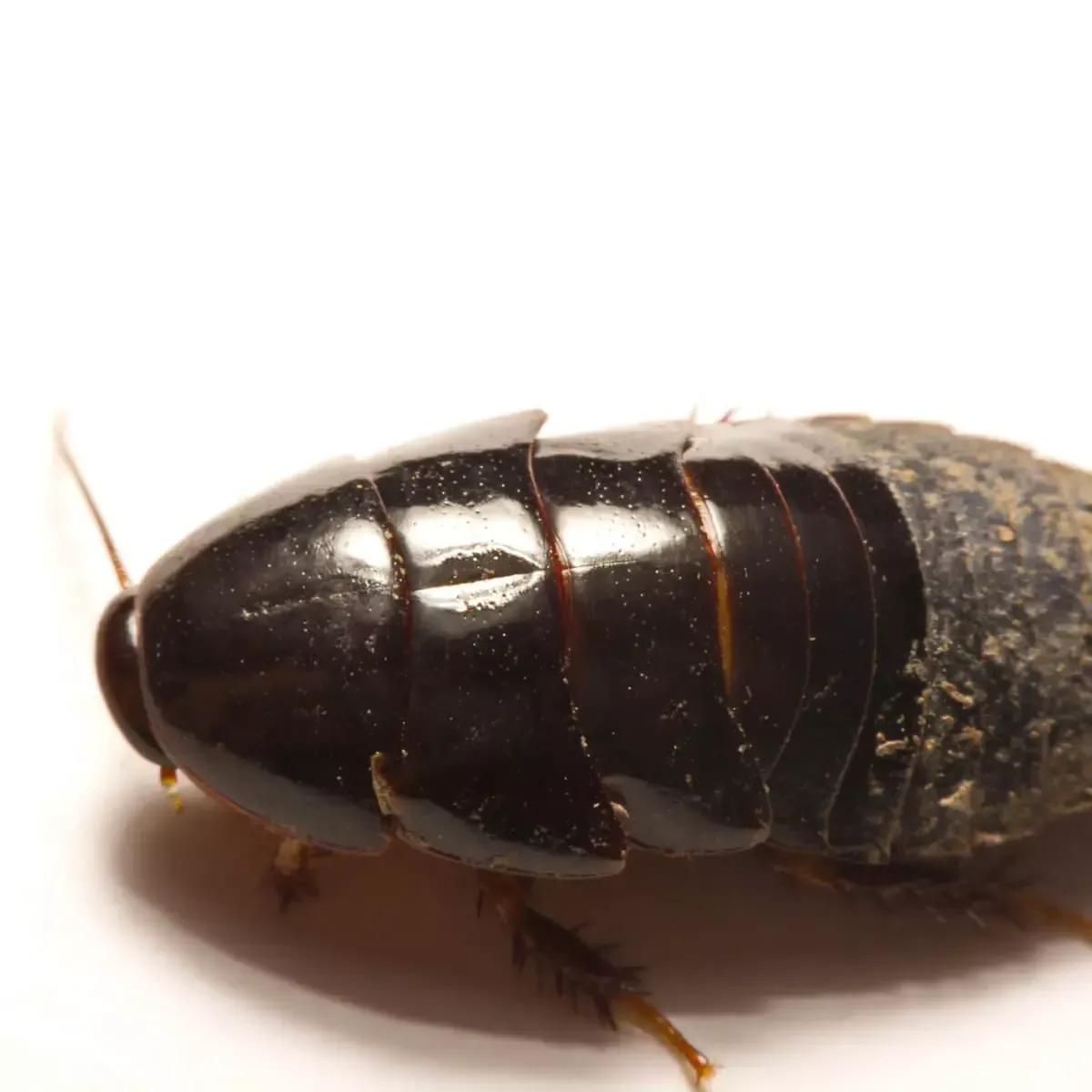
Australian wood cockroach (Panesthia cribrata): Australian wood cockroaches can be a nasty piece of work. They are one of the most destructive of cockroach species as they eat wood. They're often found in Queensland.
Signs of a cockroach infestation
- Finding an ootheca - this is highly unlikely since they hide them, but if you come across one of their egg sacs - you have roaches;
- Excrements - small, brown, and cylindrical, cockroach faeces is one of the most conclusive pieces of evidence your home is infested;
- Exoskeletal parts or skin - as the roaches live and die, they leave body parts behind - parts of their exoskeleton, skin, etc. You're likely to find those and they're likely to activate your allergies if you have an infestation.
- Nymphs - roaches do not undergo full metamorphosis. They hatch as nymphs - same basic morphology as adult roaches, only smaller and pale. If you see something like this running around, you should be expecting a new batch of roaches.
What to do in case of a wasp infestation?
If you have a cockroach infestation, the first thing you need to do is identify its source. It could be a leaky tap, food lying around, greasy trails, high humidity or any of the other reasons we've listed. Check if it's something you can easily fix.
It's not a good idea to use over the counter bug sprays. Even if they manage to kill the roaches (and there is no guarantee of that), they won't solve the problem with the infestation. For every cockroach you see, there's a lot more you don't see. And by spraying with chemicals, you're alerting them to your presence. Unless you can spray their hiding place, this will be completely ineffective. Even if you do spray their hiding place, there is no guarantee it will work. In fact, it probably won't. That's why it's a good idea to leave it to professional cockroach exterminators.