Bees
Order Hymenoptera
Bees are an insect of the order Hymenoptera, alongside their cousins the ants and the wasps. With over 1,500 species of native bees, Australia sports an impressive pollinator repertoire. Most of them are solitary and non-aggressive. In fact, most of them are too small to deliver a serious sting or pose a threat (unless you’re allergic).
Even though most Australian bee species are solitary and do not generally infest a property, this doesn’t mean it won’t happen - both solitary and social bees can be guilty of a bee infestation. Another well-known culprit responsible for a bee infestation in your home can be the introduced European honey bee. It is not uncommon for the species to choose to nest in walls and sheds.
Bees are the world's great pollinators. However, just like wasps, bees are armed with stingers that deliver venom in one fell swoop. Their stingers usually remain inside the affected animal or human and continues to release venom and other chemicals that signal nearby bees of the threat. If a person is allergic, this could have serious complications and even a lethal outcome. Now, with that being said, let’s delve into some of the native Australian bee species.
Australian Native Bees
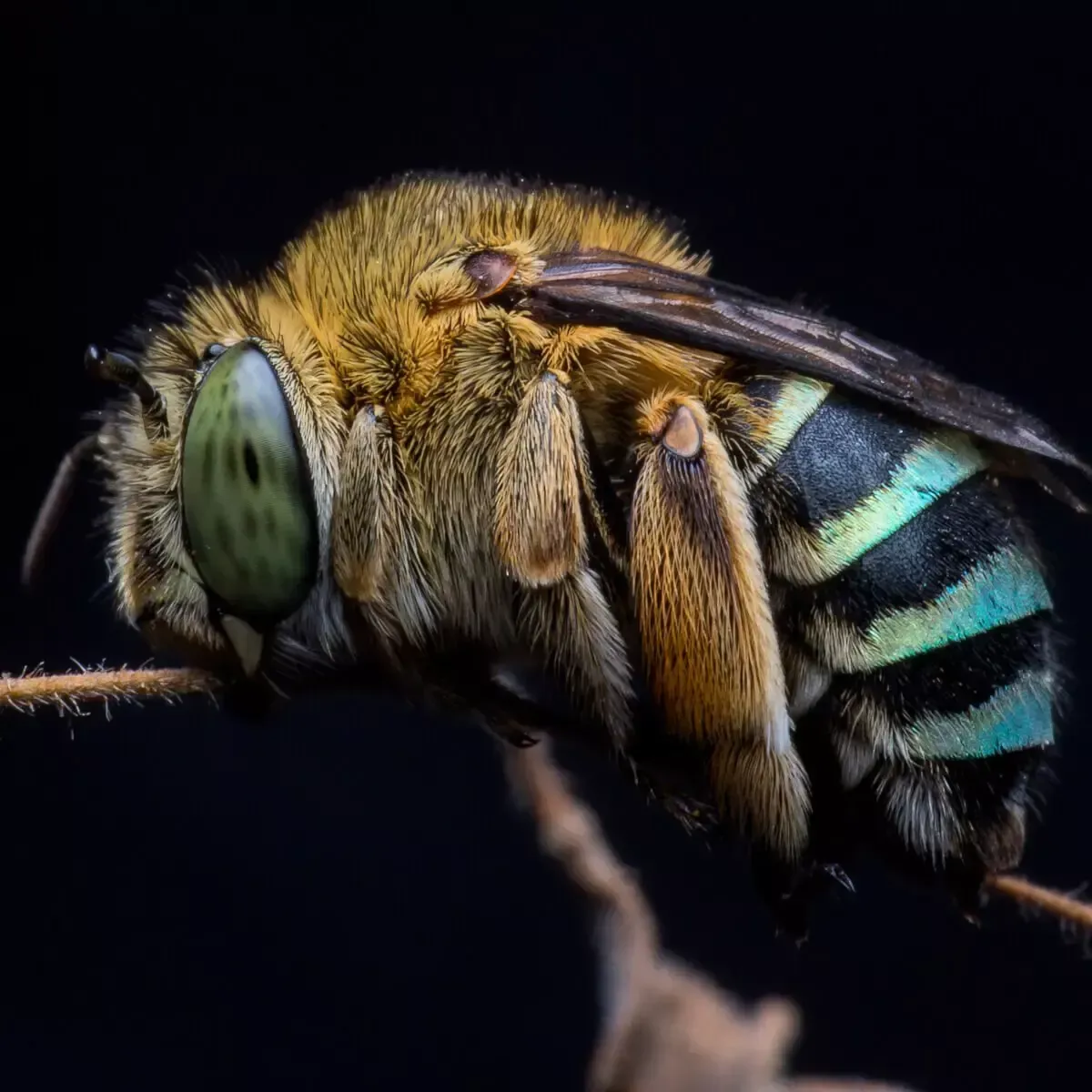
Blue-banded Bee (Amegilla cingulata) : The blue-banded bee gets its name from the blue hairs on their back and abdominal areas. They are unique due to the fact the shade of blue changes when you look at it from a different angle. They can get up to 11mm in length.
Blue-banded bees are not aggressive and are solitary species native to Australia.
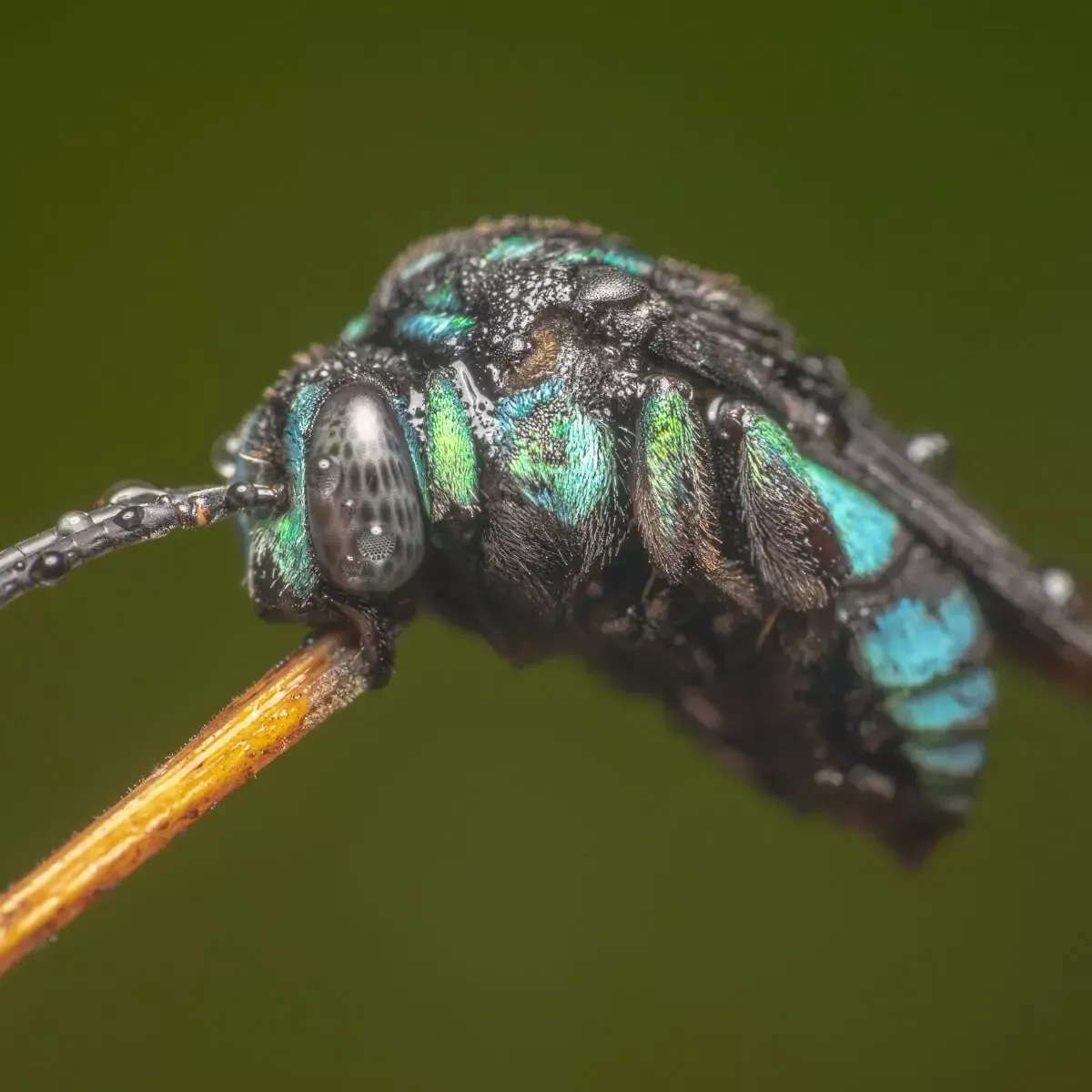
Cuckoo Bee (Sphecodes spp.): The Cuckoo bee is a native Australian bee species that, just like the bird, doesn’t create its own nest. Instead, they allow other bees to do that for them.
The Cuckoo bees wait for pollen-collecting female bees to leave their nests so that they can lay their eggs next to the host’s eggs. Their eggs usually hatch before and the larvae will eat all the nectar, then get to the pupa stage. This ensures the cuckoo bee survival but often kills the host’s brood in the process.
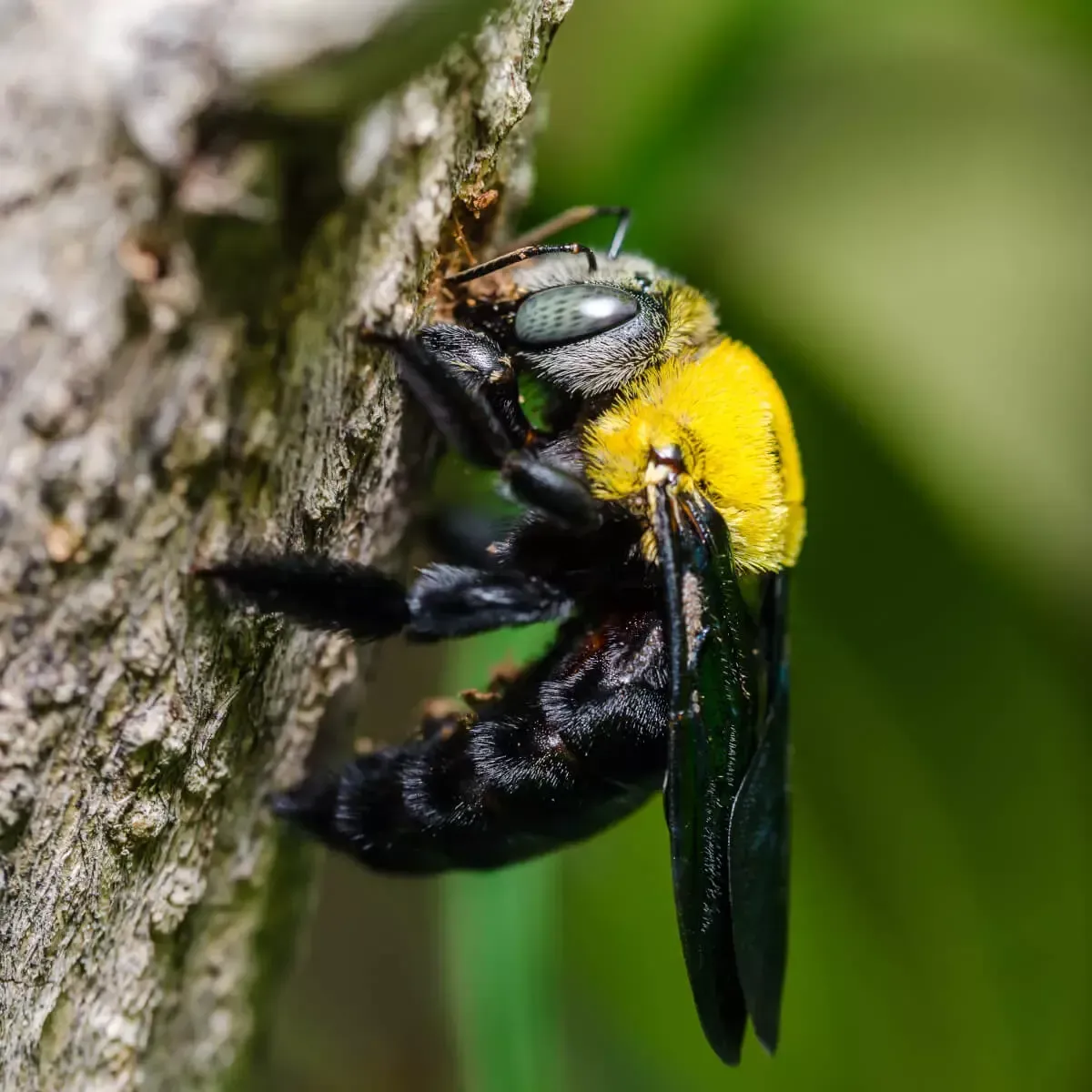
Carpenter Bee (Xylocopinae): Carpenter bees can be one of the most destructive and pestilent native Australian bee species. They tend to create tunnels in wood, which makes them a threat to your home. If there is a carpenter bee infestation, you should immediately seek professional help for these little buggers, as they can do a lot of damage quite quickly.
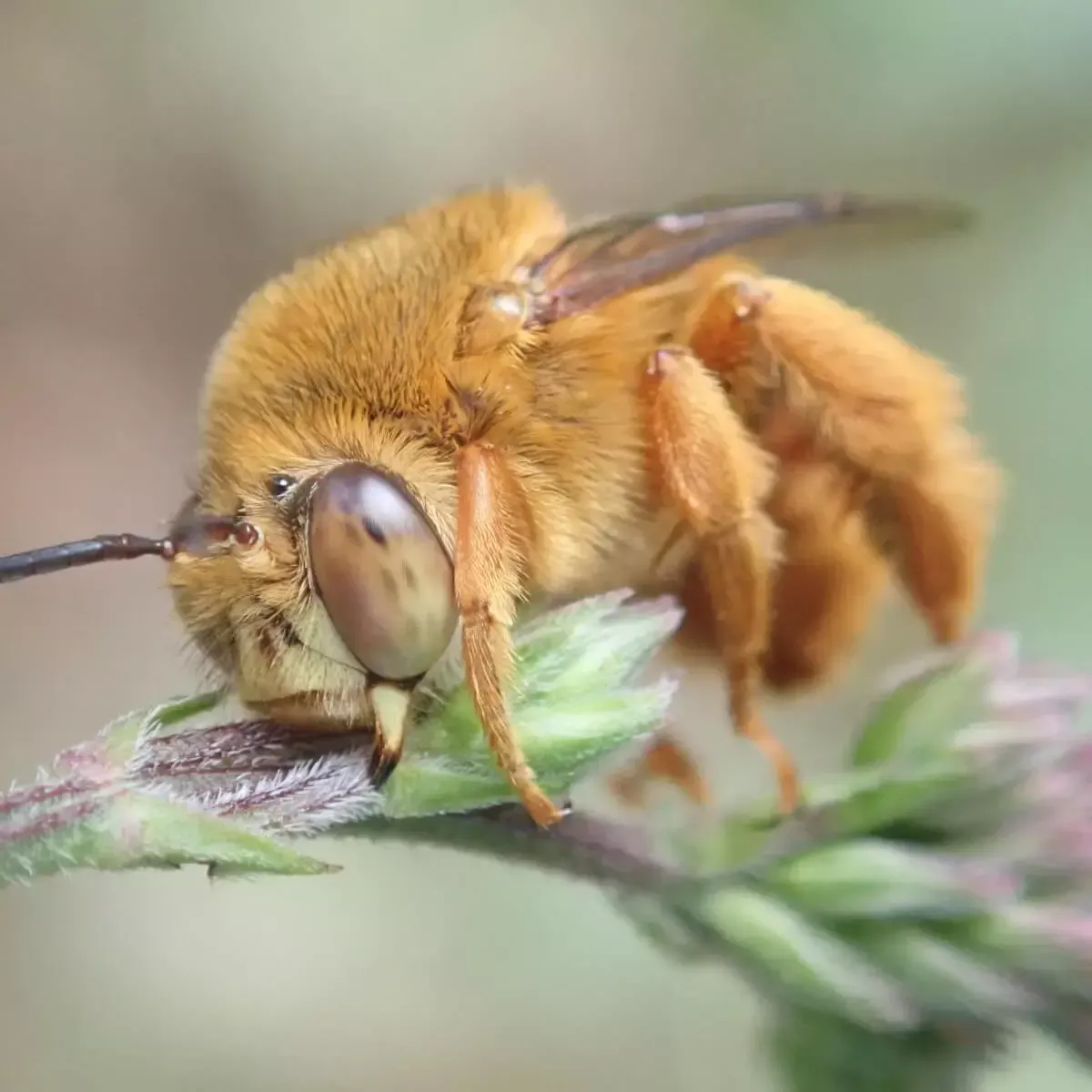
Teddy Bear Bee (Amegilla bombiformis): Resembling the bumblebee in appearance and the European honeybee in size, the teddy bear bee is native to Australia. It has orange-brownish fur, from which it takes its moniker.
It is relatively easy to differentiate males from females in the number of hairless bands on their underside. If there are seven bands, you’re looking at a male. If they’re six - female. Though they’re not aggressive, they will sting if provoked.
How to detect a bee infestation
It's really not that hard to recognise that there are bees living in or close to your home. The important thing is to know more about the species behaviour and habits. What measures you will have to take to deal with the bees is the tricky part.
Signs of a feral bee infestation
As we've mentioned before, bee infestations are not hard to detect, it's the removal that's challenging. Much like wasps, feral honey bees will likely build their hives in trees, under eaves, or in sheds. If there's an irregular number of bees flying around trees or your shed, that's probably where it will be located.
Signs of a carpenter bee infestation
Many people believe that carpenter bees eat wood, but that is incorrect. They simply carve it. And they do it very efficiently. Having a carpenter bee infestation is more difficult to spot because they create their nests in wood. They can do structural damage very, very quickly, so seek immediate professional help if you think your place is infested. Finding small holes in the wood and detritus outside is a pretty clear indication.
What should you do in case of a bee sting?
- One of your first instincts should be to remove the stingers. Otherwise, it will keep delivering painful injections of venom over time. Careful not to squeeze it, though. That might release the remaining venom all at once.
- In case of allergies, immediately look for the person's auto-injector (which contains epinephrine) and seek immediate medical attention. Swelling, trouble breathing, loss of consciousness and low blood pressure can all be symptoms of anaphylaxis, as a result of the bee sting. Note that people might not know they are allergic to stings if they've never been stung before.
- A good treatment is to put ice, as well as baking soda and water on the spot, as soon as you get stung by the bee. The ice prevents swelling. The baking soda and water mix should reduce the itchiness. These are all natural bee sting remedies you can try at home.
- Check-in with your general physician just in case.
Are you noticing signs of a bee infestation?